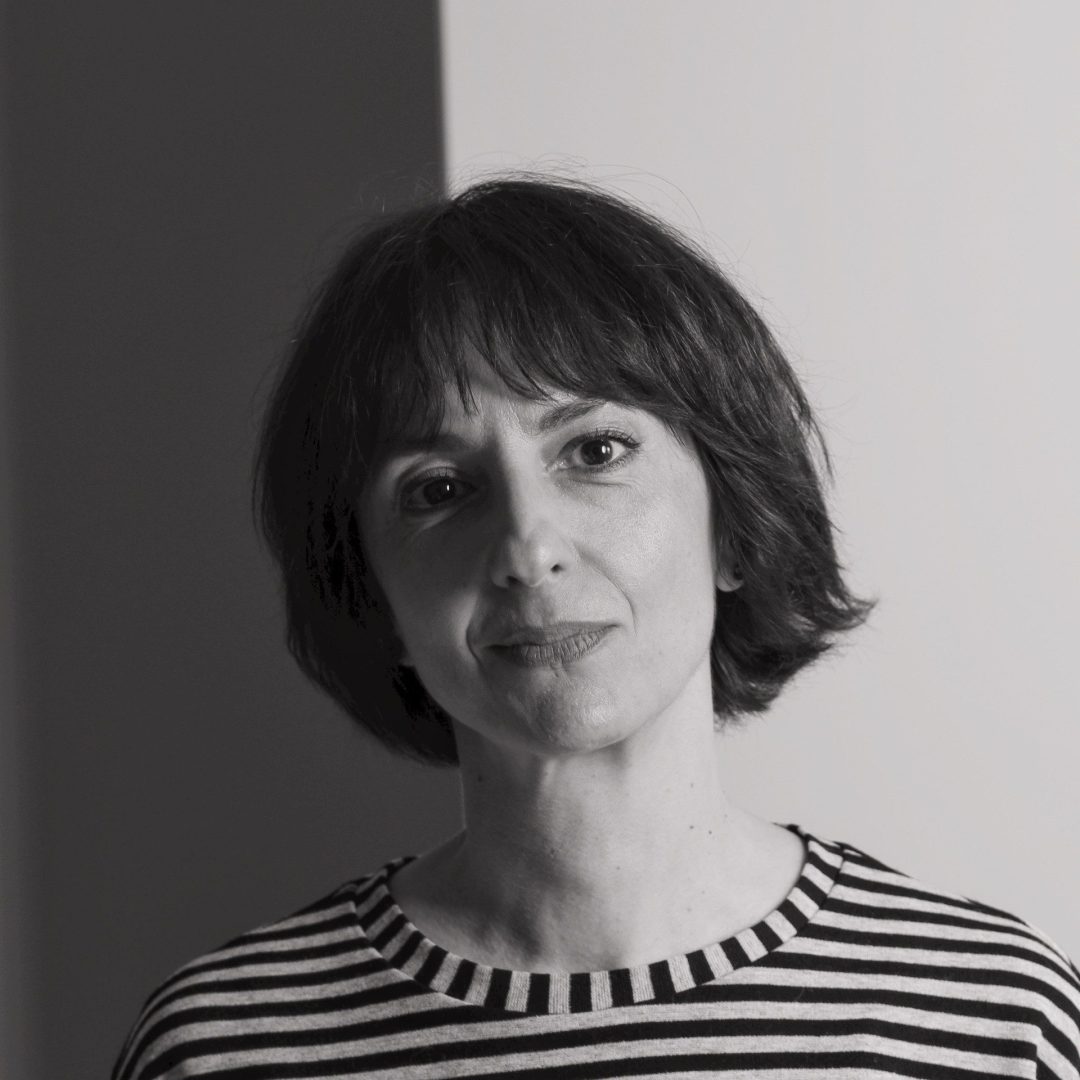
1976 | Rivolta d'Adda | Italia
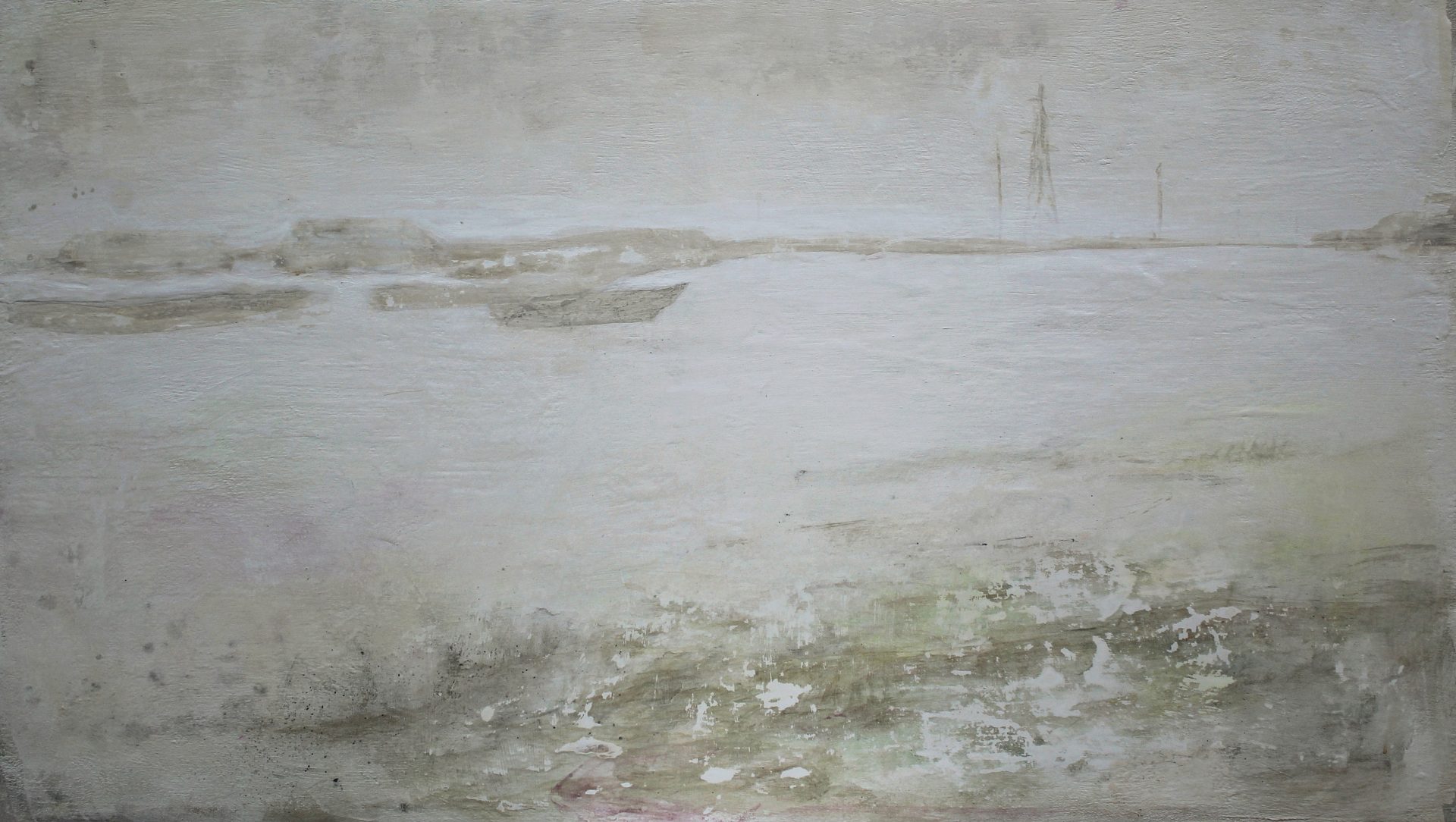
Alessandra Rovelli, born in Rivolta d’Adda (CR), where she lives and works, draws inspiration from the continuous blurring of the boundary between sky and earth, from rarefied atmospheres. She has always studied the landscape to sense its scents and to tell its stories.
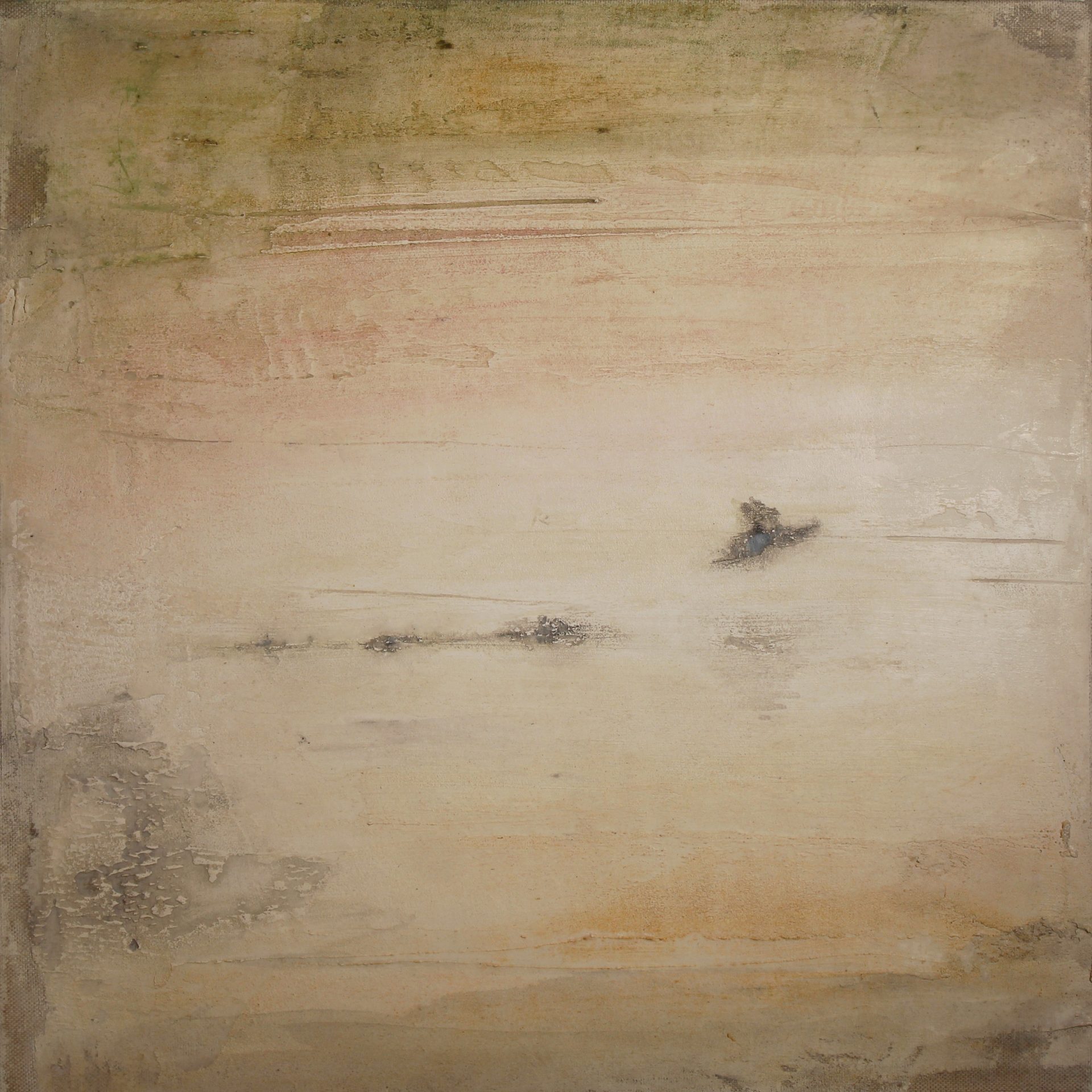
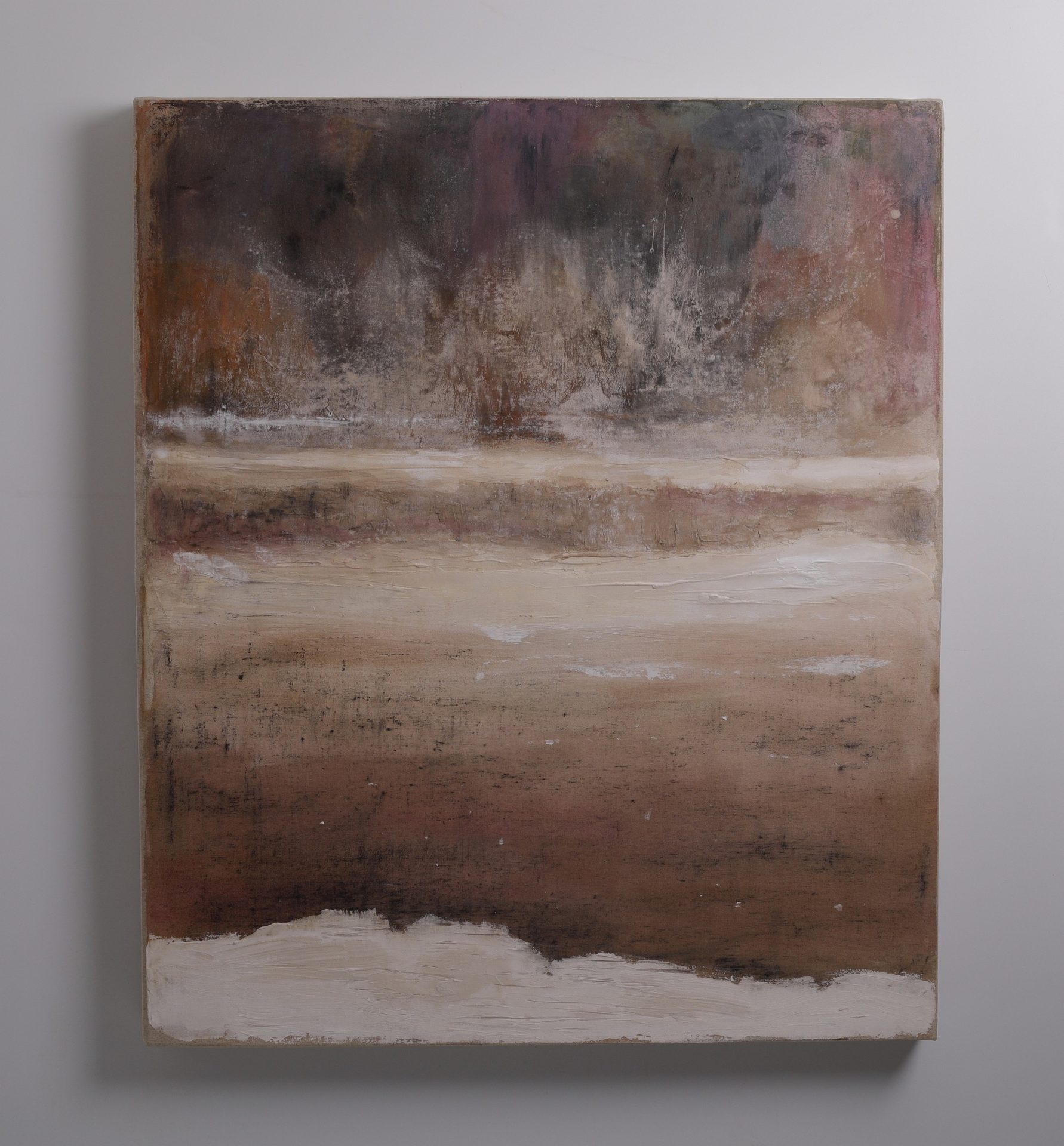
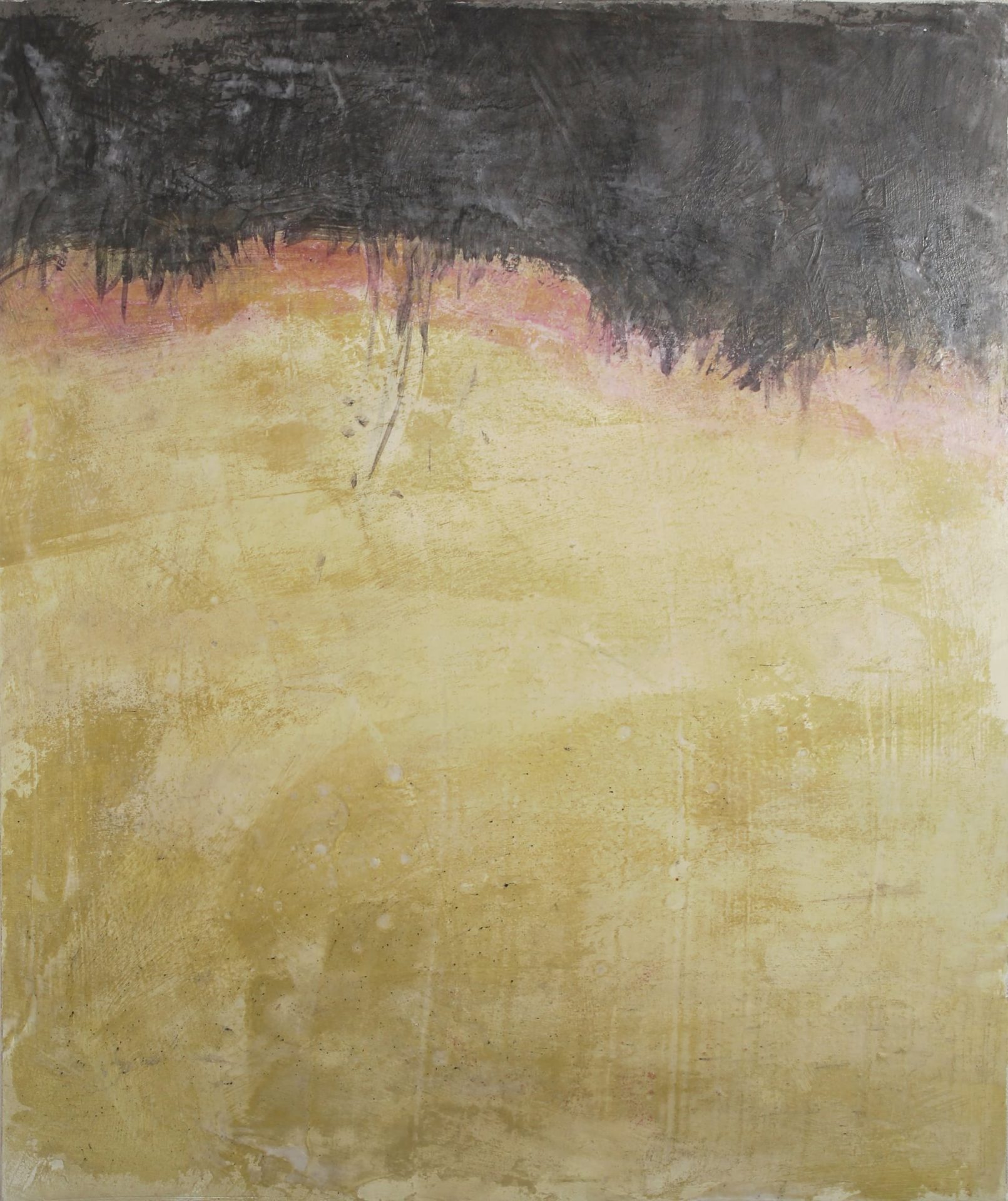
During her training as a ceramic technician and at the Brera Academy of Fine Arts, she developed a strong interest in materials and their versatility, painting even large-scale canvases. Fundamental to her practice is the tactile component achieved through the stratification of natural materials such as charcoal, ash, and barren earth.
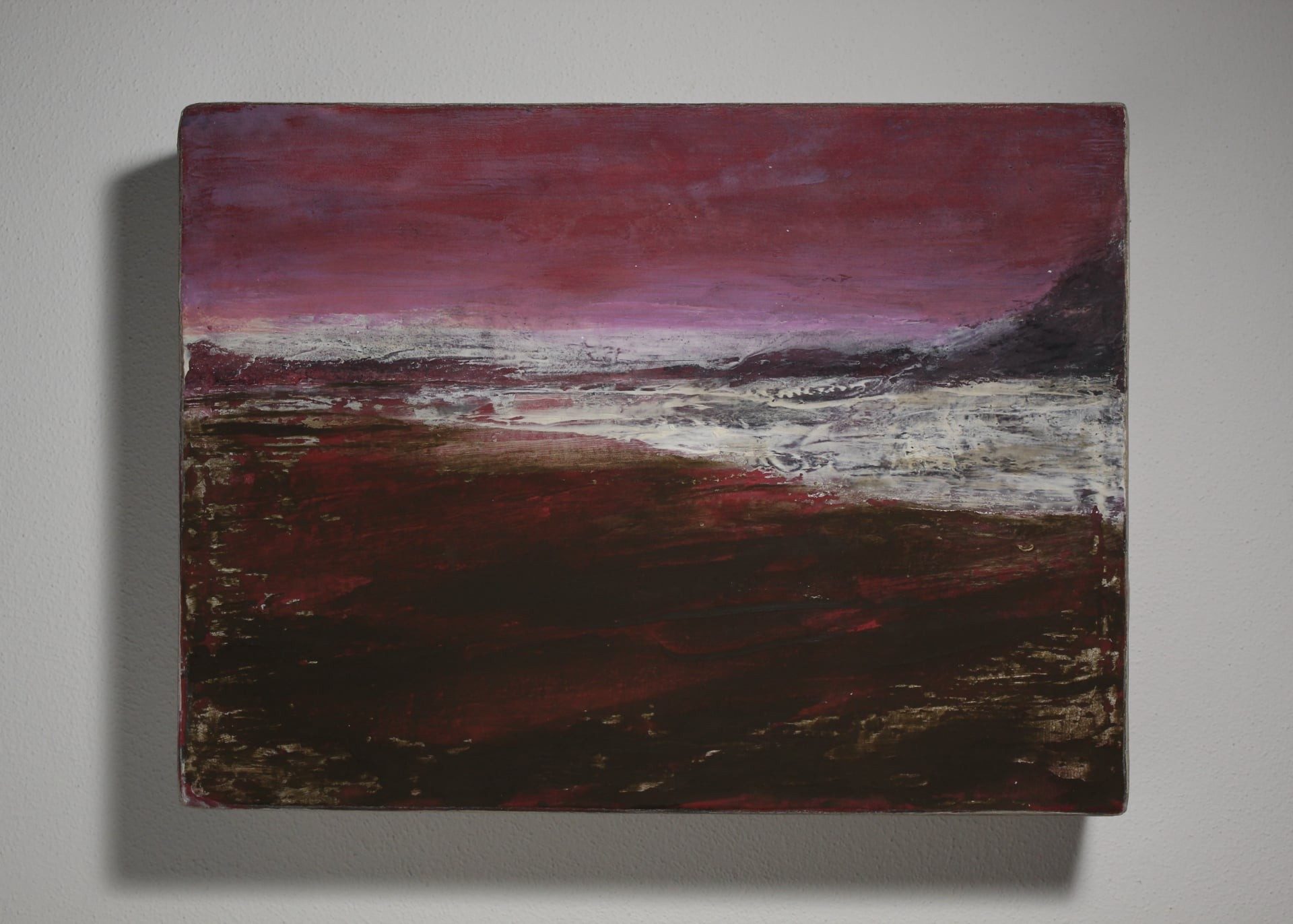
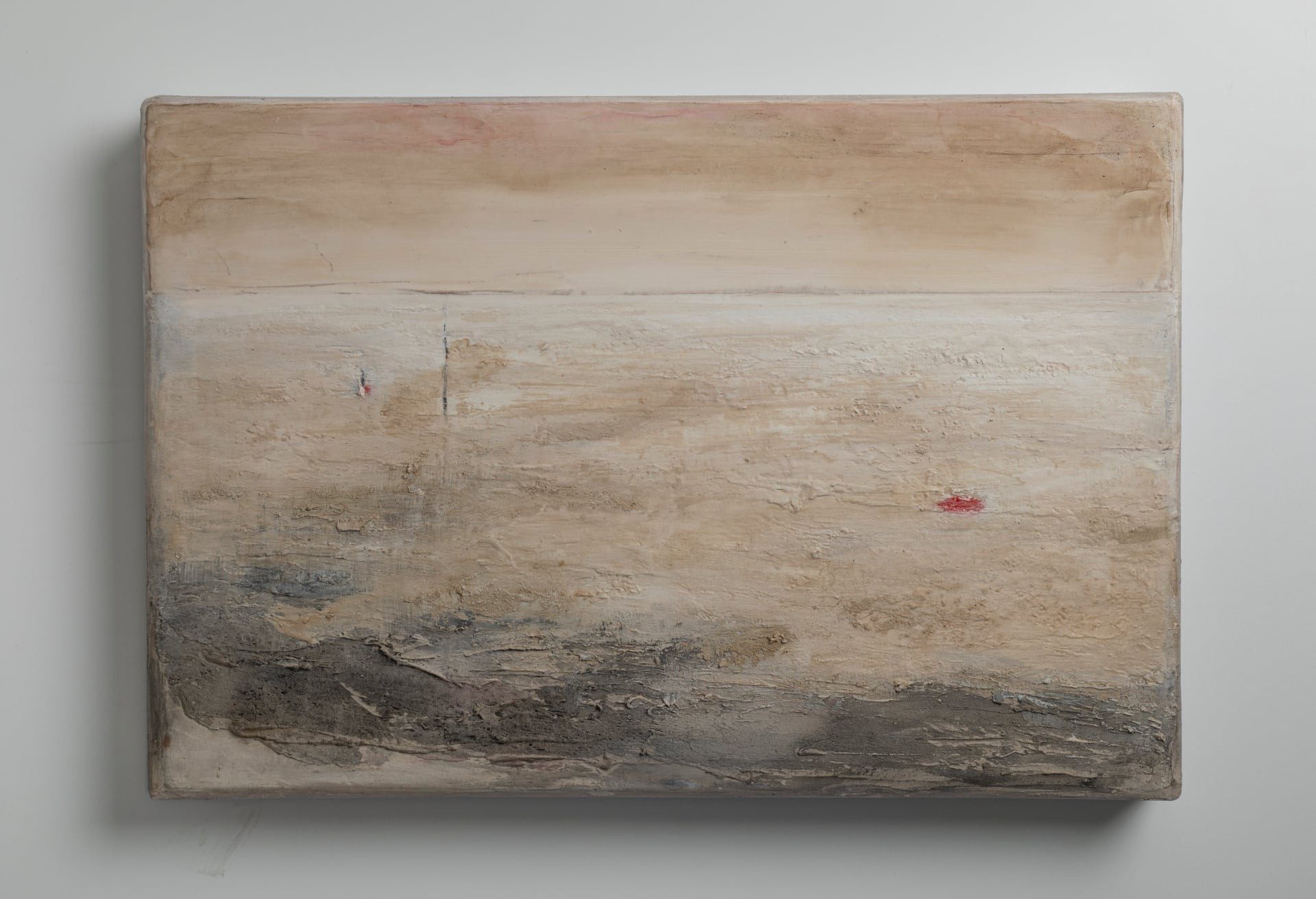
Since 2016, Rovelli’s experimentation has focused almost exclusively on the Life-Boxes: cardboard boxes onto which she applies canvas, thus giving the work a third dimension. At this stage, the works become smaller, the brushstroke thickens, and the palette changes, resolving into vibrations of color and light. The impact of introducing the box is not only physical but also—and above all—conceptual: inside the Life-Boxes, the artist inserts messages written on pieces of paper that somehow deepen the theme of the painting, yet remain inaccessible to the viewer, opening a silent and mysterious communication between artist and observer.
Over the years, she has taken part in numerous solo and group exhibitions in galleries and museums, as well as in public and private spaces, both in Italy and abroad.
27 Jan-02 Feb 2026
Vernissage
Tuesday 27 Jan 18:30-21:30
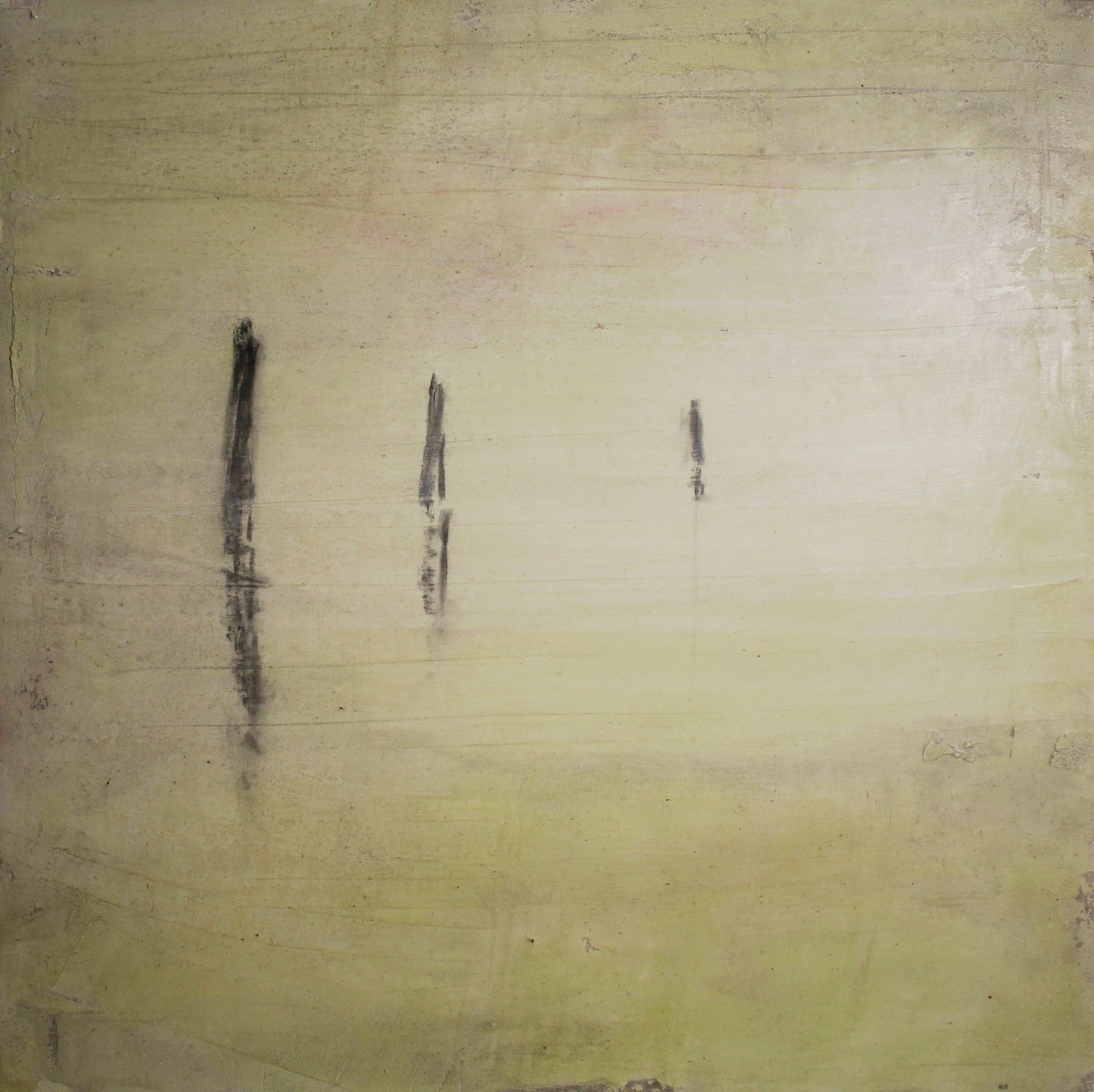
Alessandra Rovelli does not depict nature: she captures its flowing essence. Her landscapes, suspended between figuration and abstraction, are spaces of silence where time, memory, and matter stratify.
Her Life-Boxes—three-dimensional supports—transform the painting into an object and introduce a dimension of containment: nature appears safeguarded, fragile and precious with its secrets.
Earth, charcoal, and ash enter the color as tangible traces of the world, revealing beauty and vulnerability together.
The absence of the human figure focuses the gaze on the landscape itself, inviting contemplation and reflection. The works celebrate the perfect enchantment of nature, while also suggesting responsibility toward the ecological crisis we are experiencing.
Through slowness and attentive listening to matter, Rovelli’s painting transforms looking into experience: to contemplate also means to know how to safeguard.
At the @Wall of Kou Gallery, Alessandra Rovelli’s works establish a measured dialogue with the exhibition space, inviting a slow and conscious form of viewing. The wall becomes a threshold and a place of passage, welcoming a landscape that turns into experience and water into an essential language.
Scilla*Maris
Gallery


