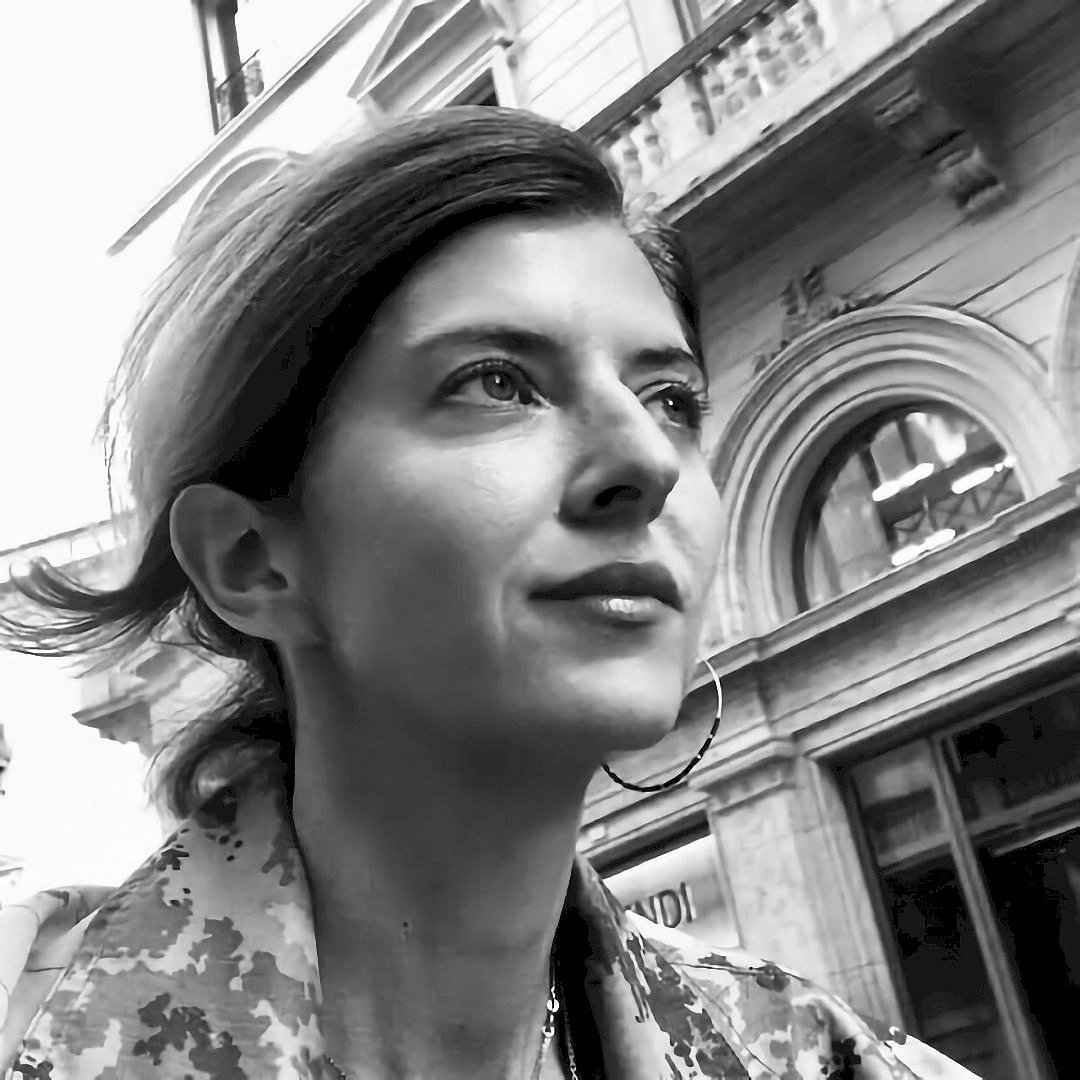
1972 | Roma | Italia
My creative journey originates alongside experience gained in another field of creativity, fashion, a sector profoundly different from the world of art yet capable of influencing and nurturing it. This dimension, cultivated for a long time in an intimate and reserved manner, has represented a sort of inner notebook, a private space for observation, collecting ideas, suggestions, and reflections, accompanying every phase of work and professional growth.
Only in more recent times, over the past two years, this heritage of thoughts and experimentation has begun to take on a more defined and shareable form, gradually transforming into a language open to others, no longer destined solely for an inner dialogue but for engagement with the public and with the broader artistic context.
20-26 Jan 2026
Vernissage
Tuesday 20 Jan 18:30-20:30
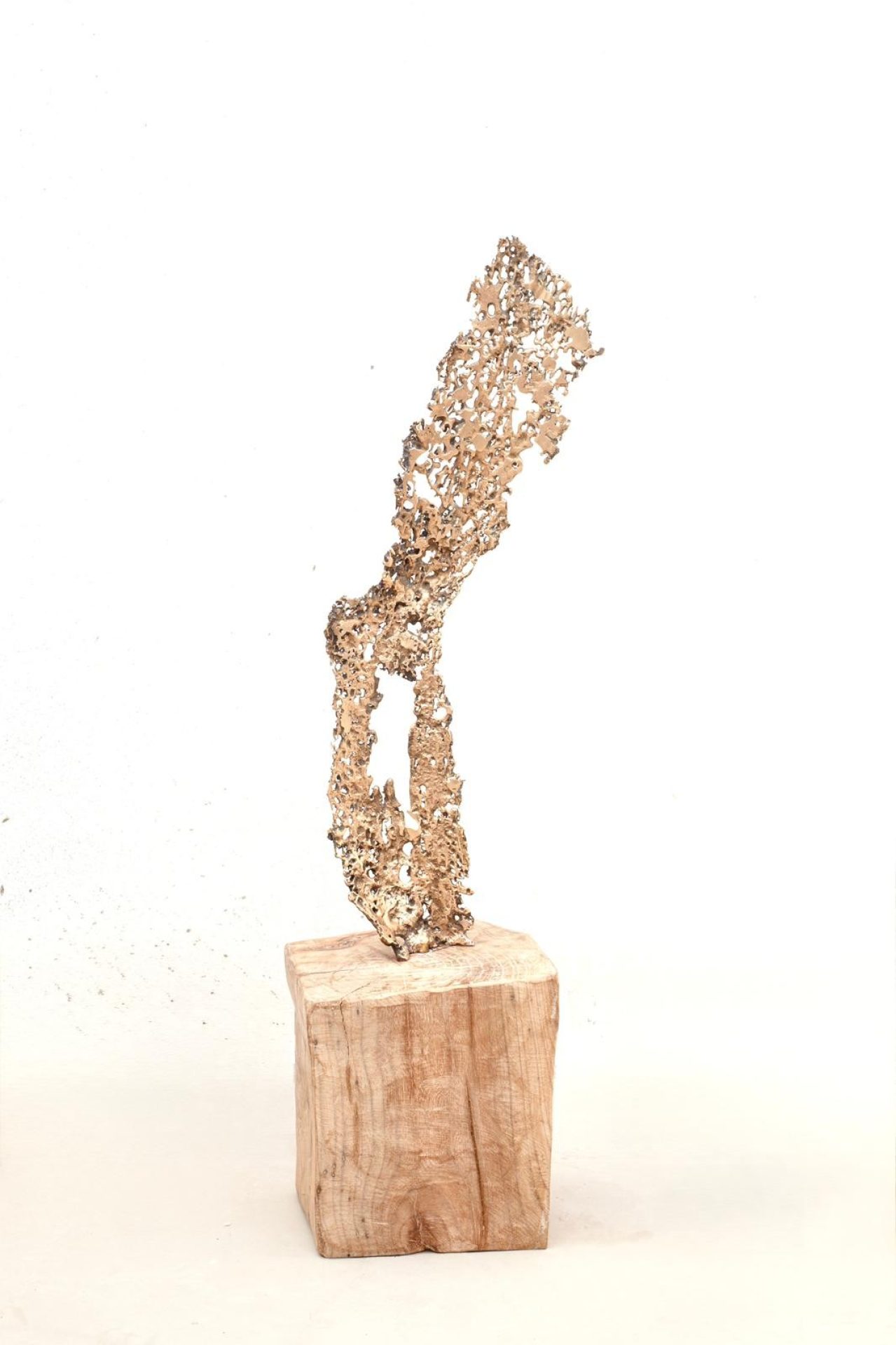
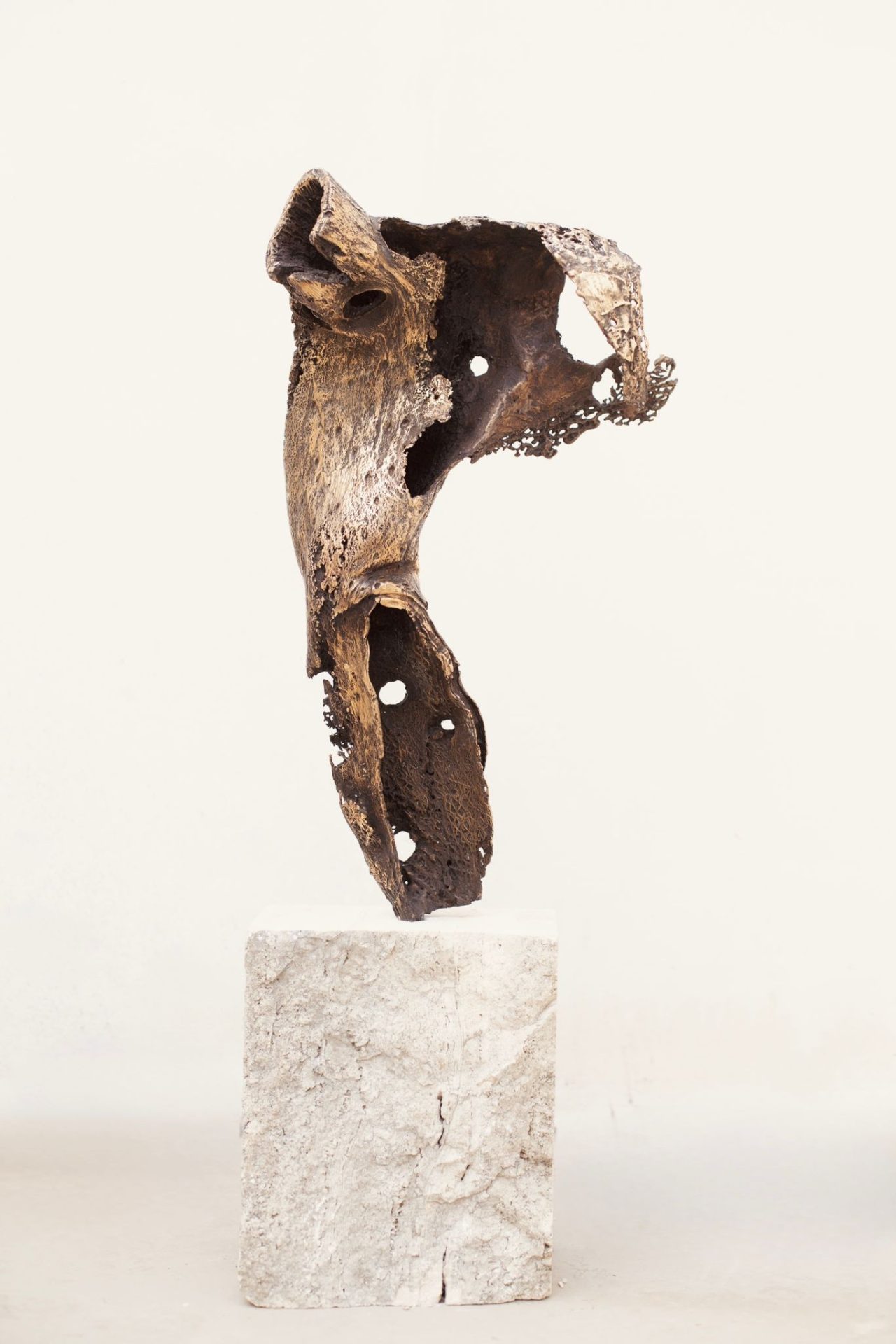
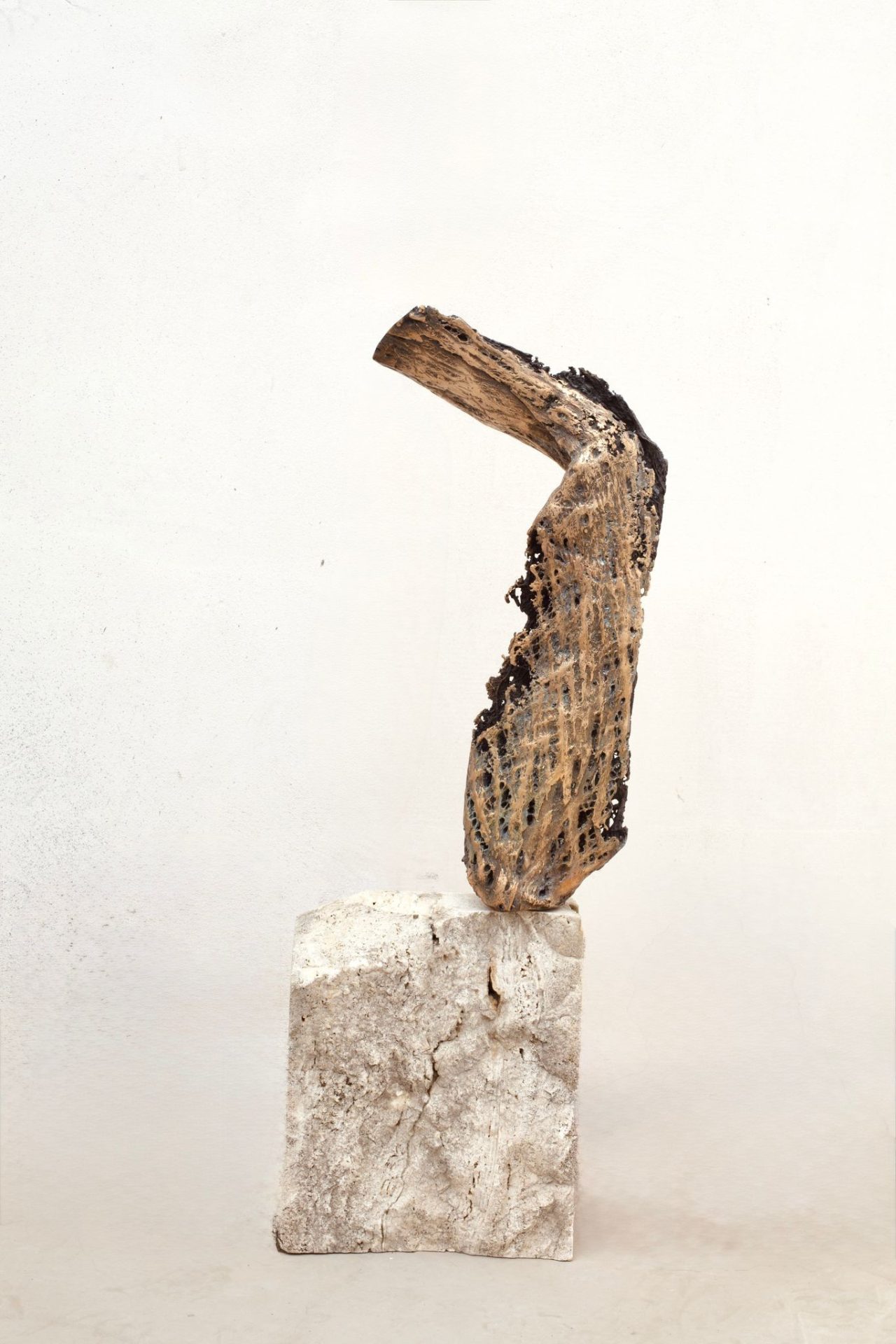
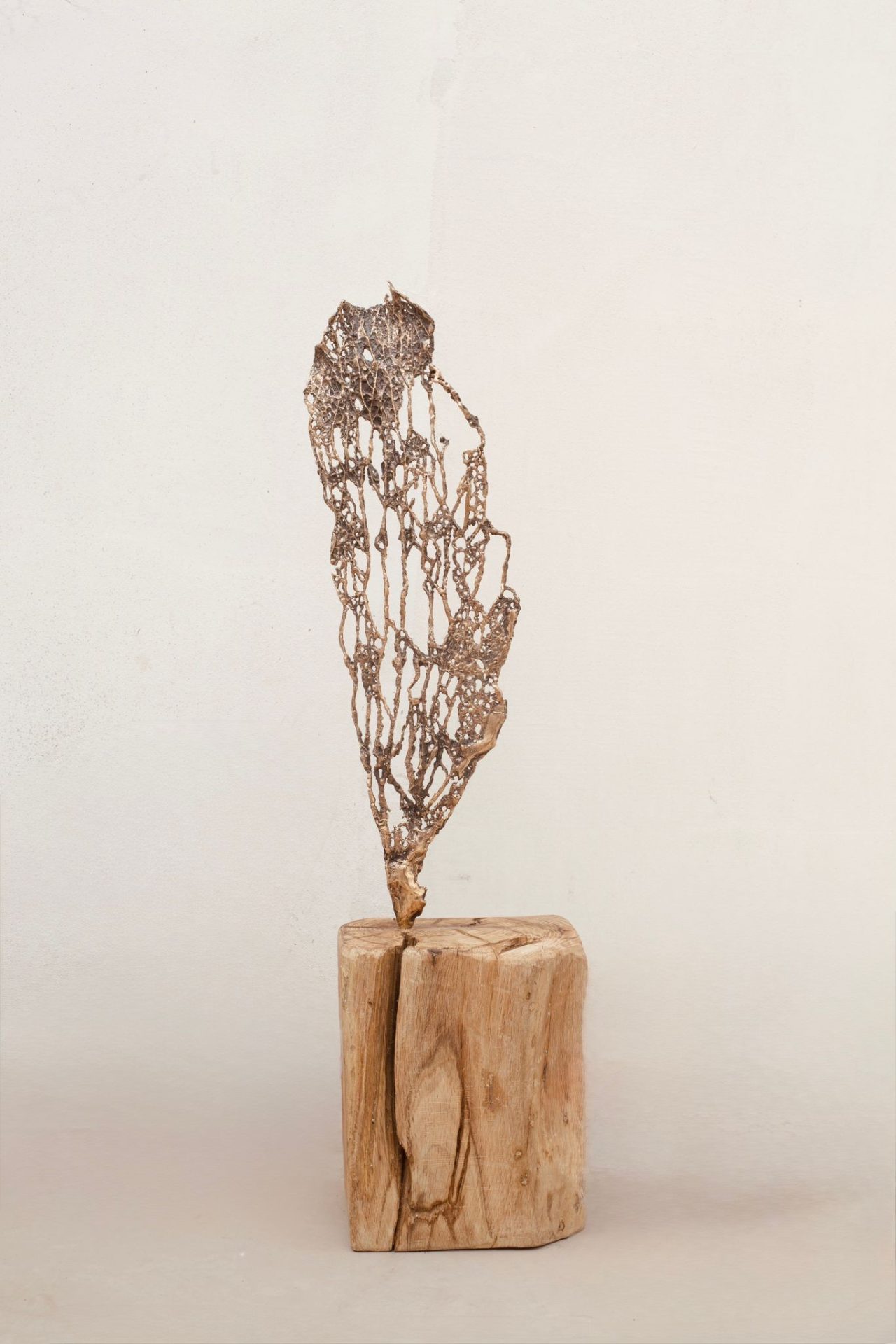
These sculptures are born from a direct dialogue with nature, from a physical and poetic contact with materials that already contain a form, a memory, and a sense of time. Their starting point is the internal reticulated structure of cacti, fragile and resistant at the same time, holding subtle and surprising textures, often invisible to the eye. Through observation, selection, and transformation, this natural matter is translated into bronze, preserving its organic essence while giving it a new, solid, and enduring presence.
The works retain the complexity of the original fibres, their cavities, perforations, voids, and tensions shaped by nature, transforming them into sculptural elements. Bronze, traditionally associated with monumentality, here takes on a different character: it becomes skin, a vibrant surface, testimony to a transition of states. Each sculpture seems to come from a suspended dimension, between natural remnant and archaeological body, between organic fragment and contemporary relic.
In these forms, both subtle and powerful, fragility and resilience coexist, as do lightness and material density. The relationship with their bases – wood or stone – completes the dialogue between living and mineral elements, between what has grown and transformed and what belongs to the earth in its primordial stability.
These works invite viewers to look closely at what is usually hidden, recognising nature not only as inspiration but as a true sculptural matrix. The transformation into bronze does not break this bond; instead, it fixes it in time, making visible and permanent a process that belongs to life itself.